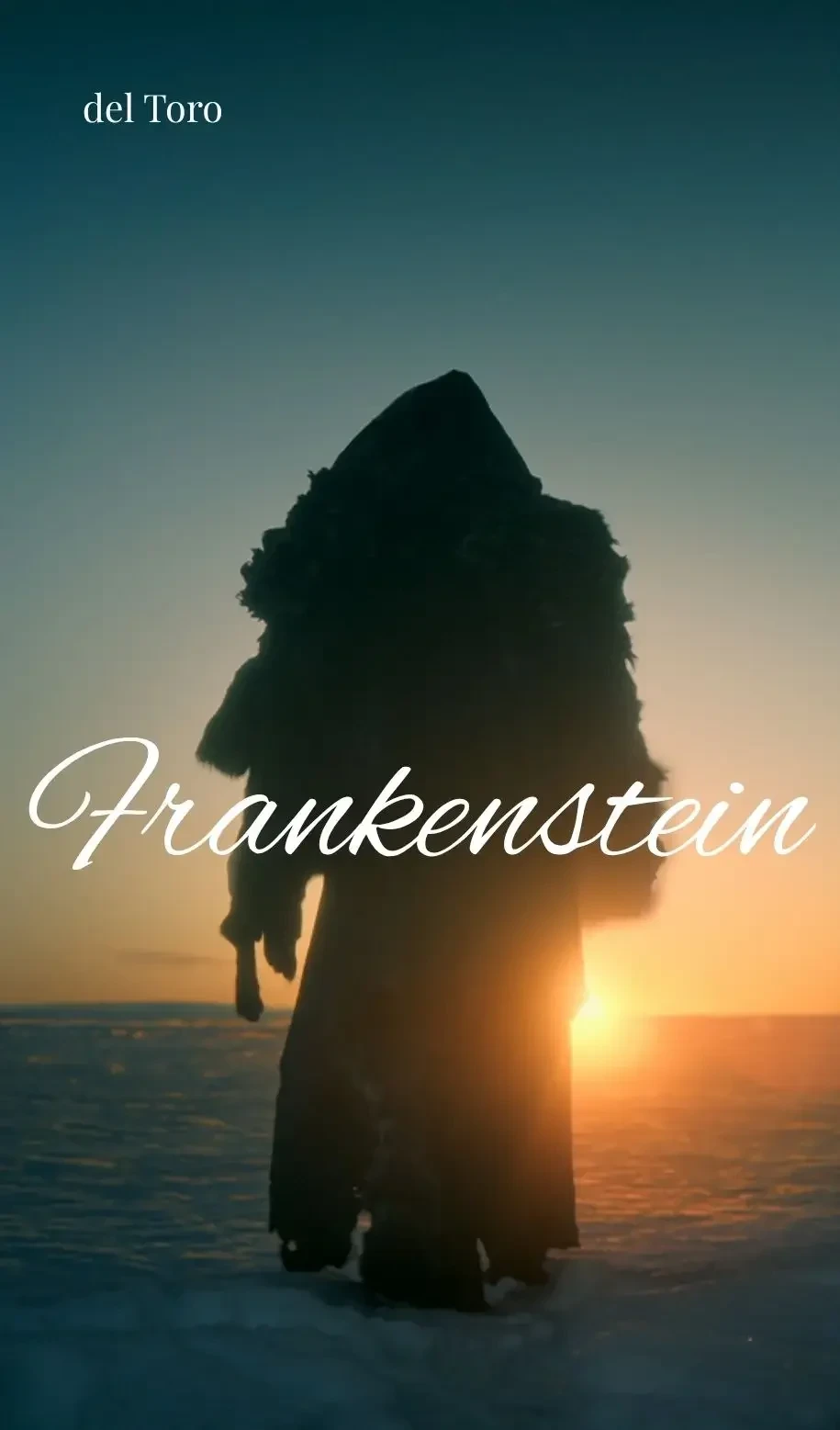
The majority of Gothic drama movies are based on the psychology of a unique creature or monster and ask you to fear the creature. However, Guillermo del Toro’s Frankenstein asks something crueler: what if the creature was the only one in the room capable of love?
The movie's opening scene starts in the Arctic where a ship's crew, trapped in solid ice, witnesses an explosion on the horizon, then finds a half-dead man lying in the snow. That man is Victor Frankenstein (Oscar Isaac).
They take him to the captain's cabin, where he recovers a little and warns them about something terrible. What follows is a two-part confession where maybe no one can identify the real monster. That was the literal scene when I was crying.
What is Frankenstein (2025) About?
Frankenstein (2025) is about a man who was once obsessed with controlling life and death and eventually creates a life without ever thinking what comes after.
Guillermo del Toro's Frankenstein is divided into two parts. The first half is Victor's tale, which feels like a doomed gothic romance. The second part is from the creature Victor created, where the film earns its heartbreak.
Is the Film Fully Based on the Frankenstein Book?
Mary Shelley conceived the story in the summer of 1816 near Lake Geneva when she was just 18. She finished writing the book when she was 19, and published the book when she was 20. Del Toro’s film premiered on August 30, which is also Mary Shelley’s birthday and “Frankenstein Day.”
These were some fun facts about the book, and if you've read Mary Shelly's Frankenstein, you can easily spot familiar bones, like the Arctic frame, the ambitious scientist, and the abandoned creation. However, del Toro keeps that myth of stolen fire at the center, but the ending gives us a tender reconciliation the novel never offers.
The Six Emotions That Make This Film Hurt
I've managed to see the six powerful emotions in the movie that make it a heartwarming Gothic fiction. Here I've described them:
1. Loneliness: The Creature is Adam Without Eve
The very first emotion the creature felt wasn't rage, but loneliness and the ache of being unseen. He takes shelter near a family home in the forest as a lonely outsider who can watch warmth, but can’t touch.
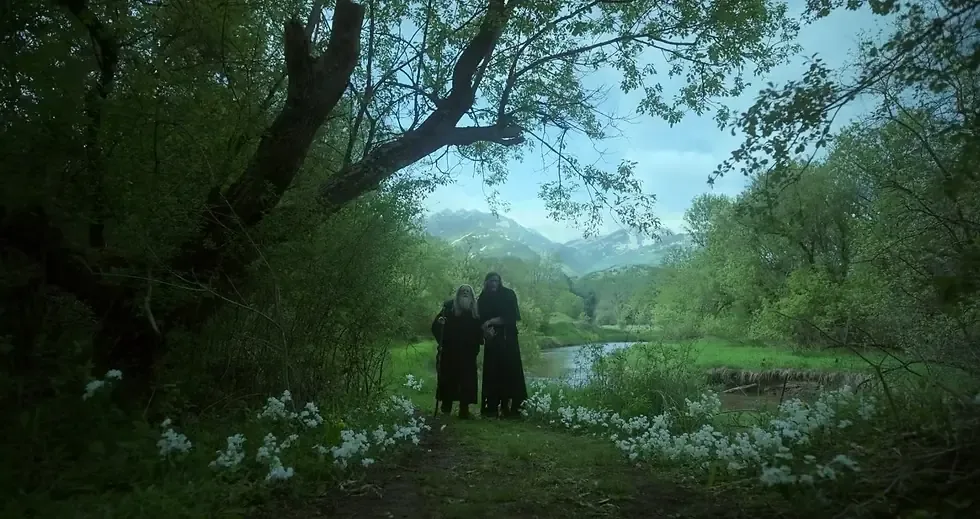
Jacob Elordi plays him with a body that learns the world one frightened gesture at a time. His longing is simple: to be known, where wanting to be understood is the real wound.
I cannot die, and I can not live alone.
2. Horror and Disgust: Who is the Real Monster?
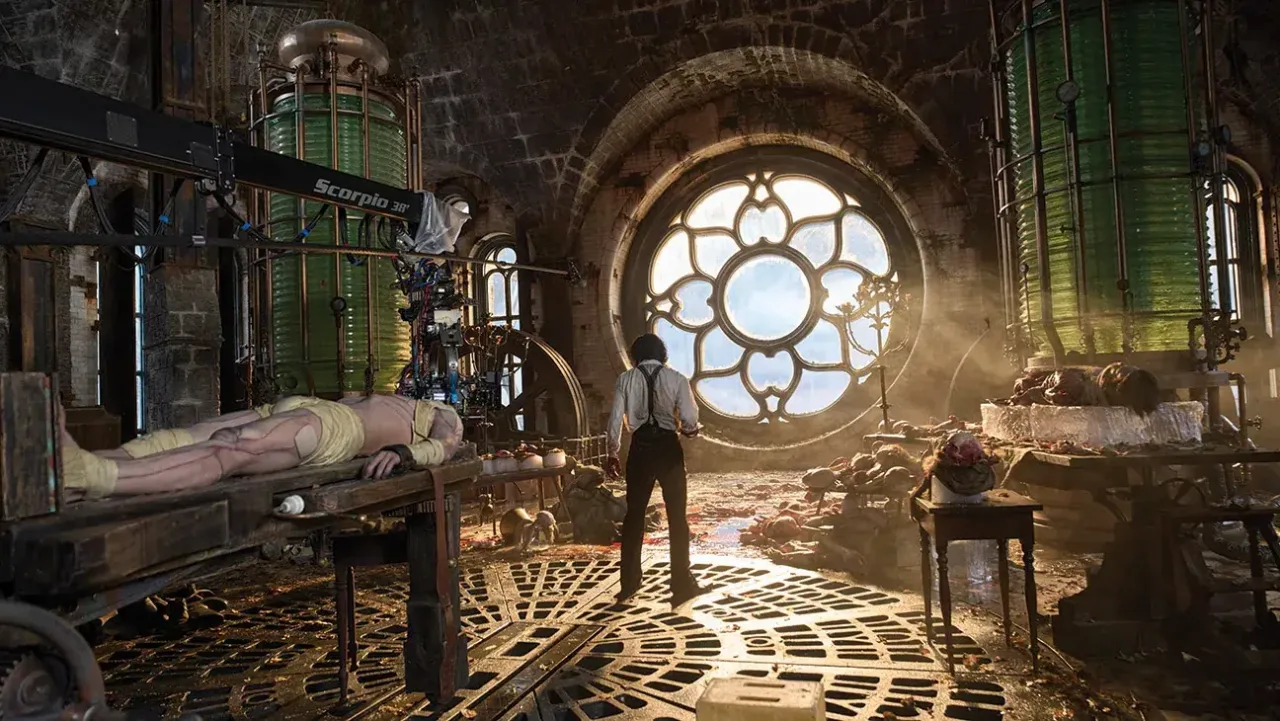
Del Toro doesn’t flinch from the body. Victor’s lab is a cathedral of rot, and the stitched creation on his table is meant to unsettle you. The film then flips the disgust around.
After a lifetime of being treated as an abomination, the Creature quietly says, “I am obscene to you.” The line lands because by then we know what obscene really looks like, and it’s Victor’s neglect.
3. Obsessive Ambition: A Man With No Horizon Left
Victor doesn’t want to heal the world, but he obsessively wants to beat death and his father’s shadow. Charles Dance’s cold surgeon of a father is the origin of the cruelty, passed down like an heirloom.
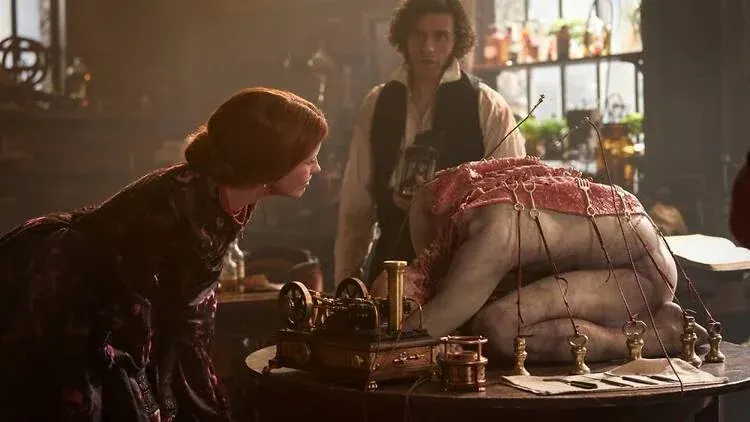
Victor’s ambition costs him everything, a tragedy of dreams outgrowing the people who held them. His own words are the verdict: “In seeking life, I created death.”
4. Grief: The Wound Under Everything
When it comes to grief, every character in the movie is mourning something, whether it's a mother, a family, a chance at being loved. Victor’s work grows out of loss he never processes, and the film makes clear that unprocessed grief turns to obsession. Del Toro goes the other way and lets grief curdle.
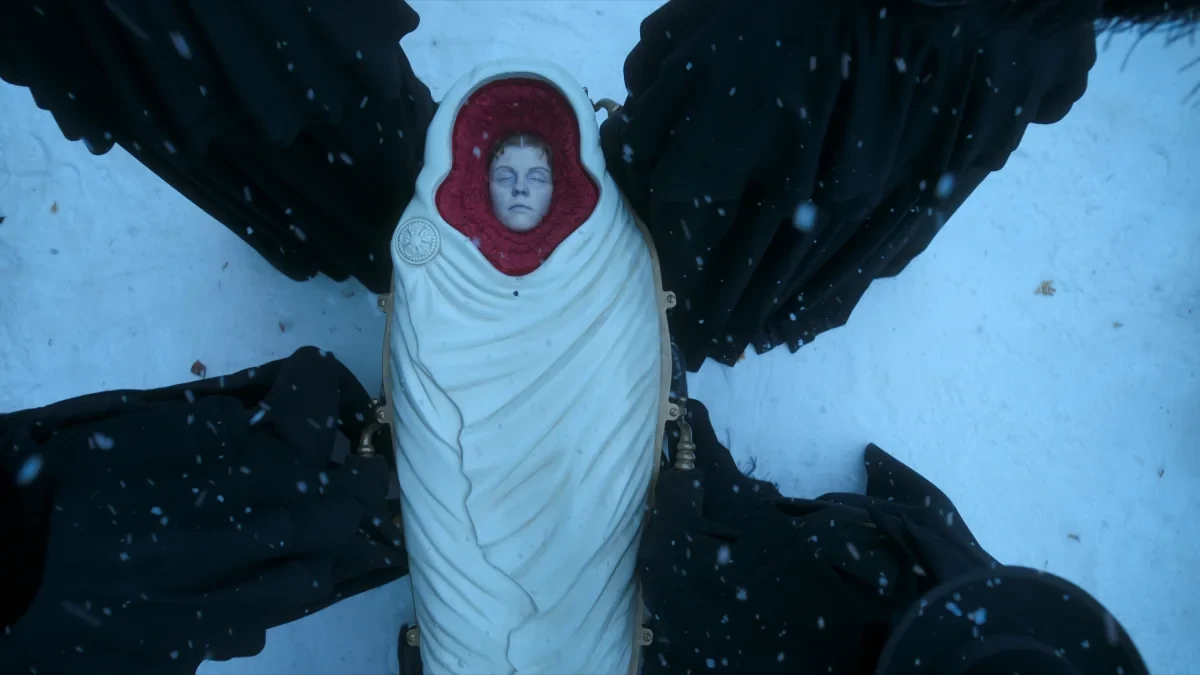
5. Rage-Fueled Revenge: “You Only Listen When I Hurt You!”
The Creature learns violence the way he learns language, from watching. When he finally confronts his maker, his scream is the film’s most devastating line: “Victor, you only listen when I hurt you!” The scene is brutal, but it’s a child’s cry in a giant’s body.
Victor’s counter-revenge is just as destructive. He sets his lab ablaze with the Creature inside, and later, while trying to shoot the Creature, he accidentally shoots Elizabeth. Elizabeth, who has the film’s sharpest moral voice, has already told Victor that “Only monsters play God, Baron.”
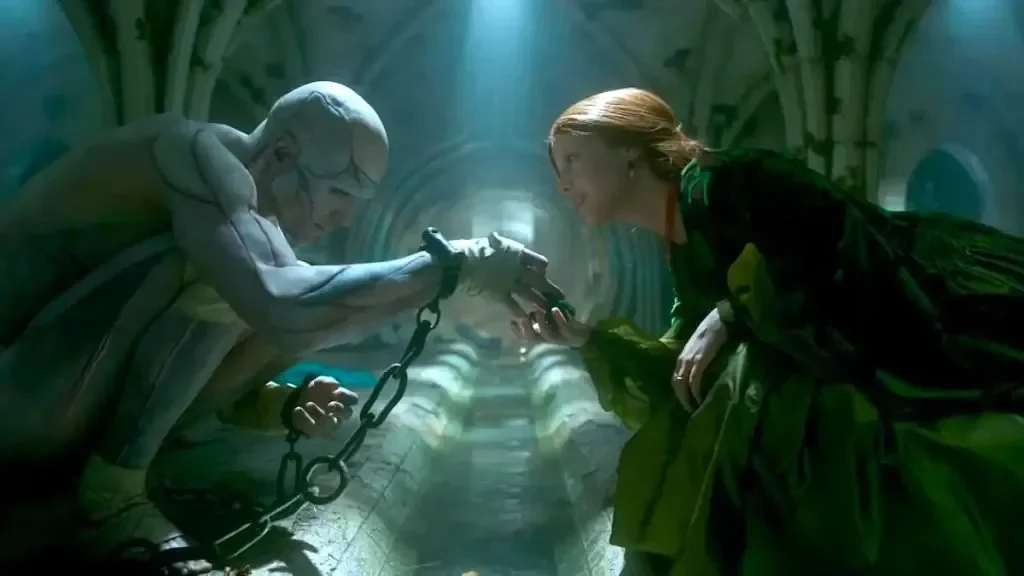
6. Forgiveness: The Hardest Scene in the Film
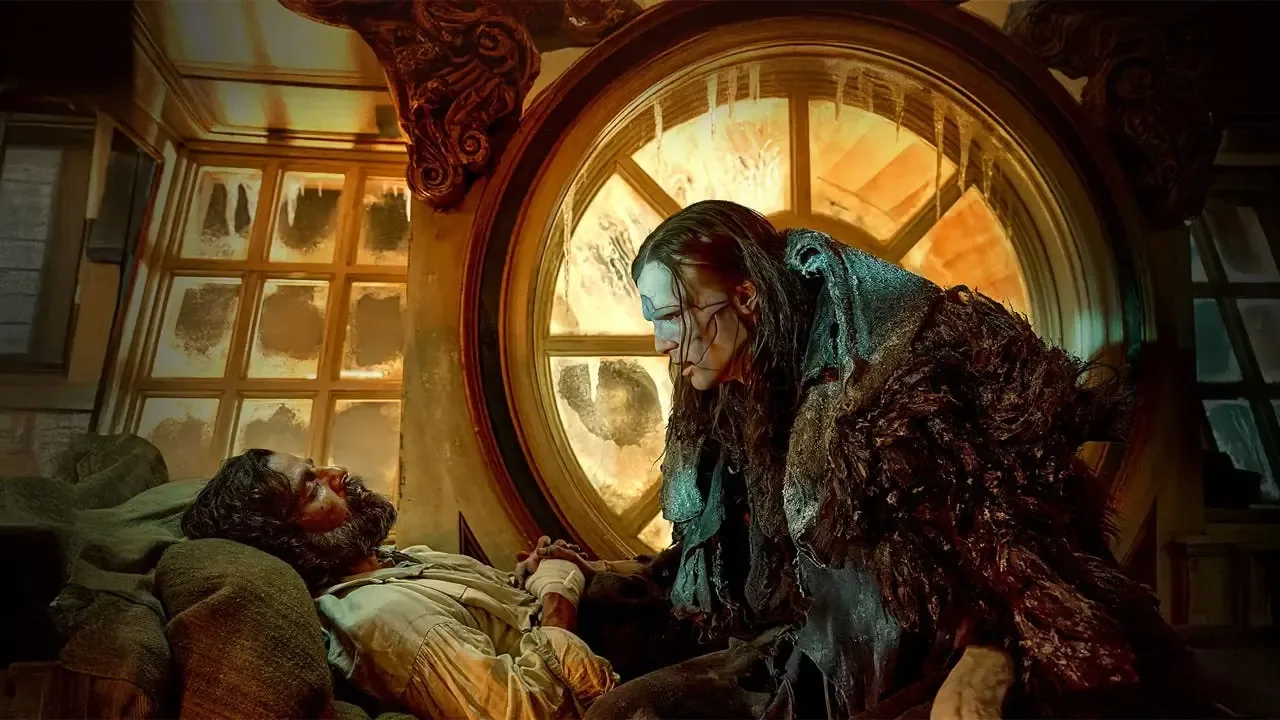
I won’t give away every word, but the final reunion in the ice is the reason this film exists. There’s an emotional bedside reconciliation between creator and creation, followed by the Creature rescuing the explorers’ ship from the ice.
Victor says he’s sorry and asks to be forgiven, and the Creature answers by calling him Victor, a name. It’s about mercy given to someone who may not deserve it.
Performances of Actors and Director's Craft
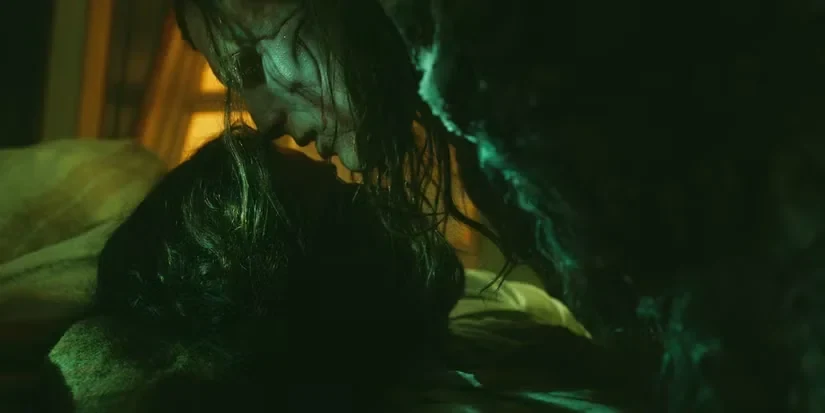
Elordi is the film’s beating heart, as he is the dark heart and lost soul of the film. Isaac gives Victor a feverish, self-deceiving energy, and Mia Goth brings the warmth the film needs. Del Toro leaned on practical effects and elaborate sets, with Dan Laustsen’s cinematography amplifying the gothic atmosphere.
Frankenstein earned nine Oscar nominations, including Best Picture and Best Supporting Actor for Elordi, and won for costume design, makeup and hairstyling, and production design. Here, I'm going to embed an Instagram reel post that describes everything with visuals.
Where It Stumbles
Frankenstein isn't flawless. It is overly polished, with effects that lack texture and a screenplay that feels overwrought. I’d add that Victor’s father issues can feel over-explained, and the Creature’s rescue of the ship is a sentimental swing some purists will resist. These flaws didn’t weaken the film for me, but they’re worth knowing about.
I'll Rate it 5 Out of 5
Frankenstein (2025) is not a horror film dressed up as art. It’s a tragedy about what we owe the things we make, whether that’s a creature, a child, or a dream. Del Toro gives the monster dignity and gives us a reason to forgive.
Questions, Answered
Is Frankenstein real?
No. Frankenstein is a work of fiction, though it was rooted in real science. Mary Shelley grew up in an age fascinated by galvanism, the idea that electricity might animate dead tissue, and by early experiments on corpses.
How old was Mary Shelley when she wrote Frankenstein?
Mary Wollstonecraft Shelley was 18 when she began to write the novel, 19 when she finished it, and 20 when it was published.
Is Frankenstein the monster’s name?
No. Frankenstein is the scientist, Victor. The creation has no name in the novel, and the film calls him “the Creature.”