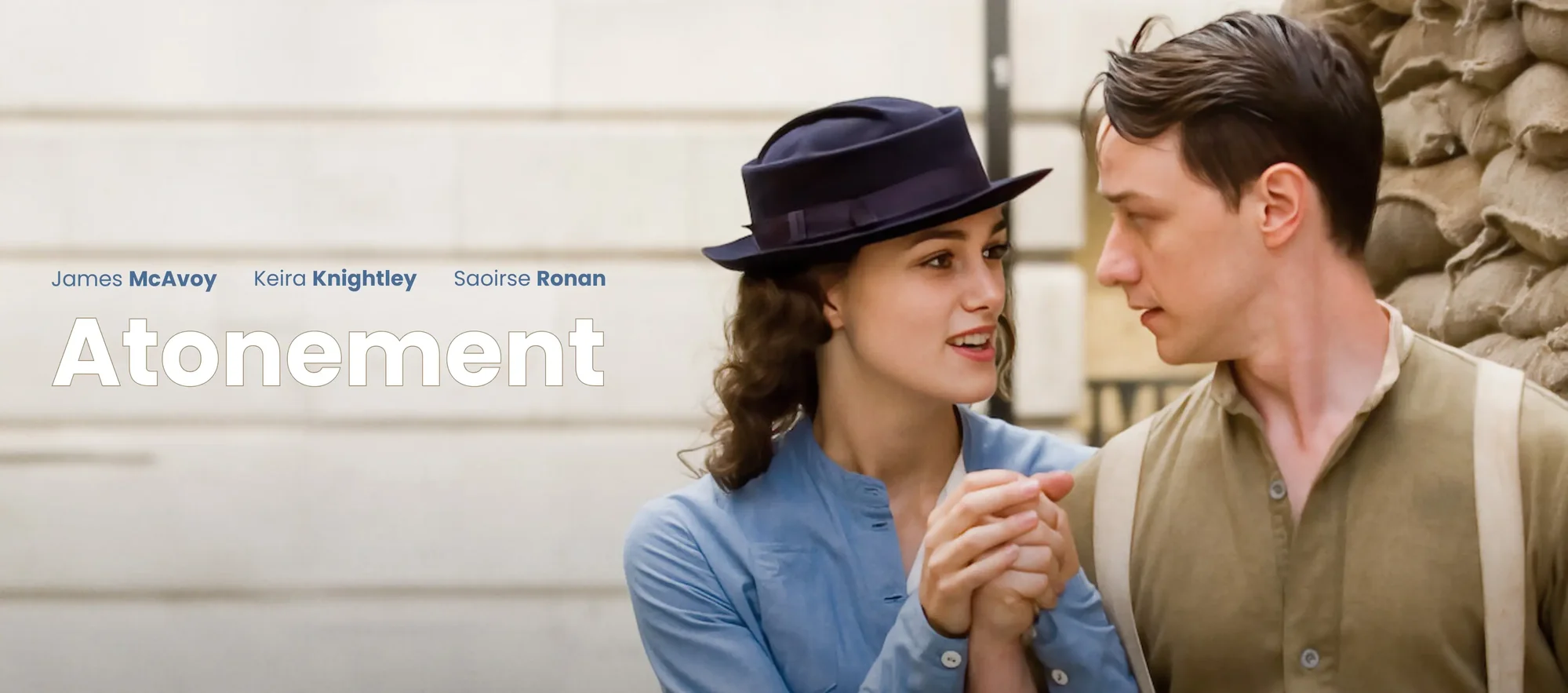
Is it justified to ruin two lives through immaturity, then write a book about them and give them the moments of happiness they never had in real life?
I rewatched Atonement (2007) and kept thinking about how it tells the story of two lovers. I assumed there would be a happy ending. And there was a happy ending, just not the one I was expecting.
That’s why the film stayed with me for so long. I rewatched it on September 7, 2026, and I have wanted to share my Atonement review with you ever since. But the story stayed with me in a way that made it difficult to write about until now.
Enough personal talk. Let's get into how Joe Wright brought Ian McEwan's novel to the screen, and why Atonement has stuck with me so deeply.
What to Know About Atonement (2007)?
The movie Atonement is based on a historical fiction novel by British author Ian McEwan that was published in 2001.
Joe Wright directed the film adaptation of the novel; the story isn’t different from the book itself. The story follows the life of Briony Tallis, who falsely accuses her sister’s lover and ruins two lives, and traces the consequences during World War II.
Storyline of the movie
Thirteen-year-old Briony Tallis misinterprets an encounter between her sister Cecilia and Robbie Turner, a family friend whose education they supported.
After reading a letter meant for Cecilia, Briony becomes convinced Robbie is dangerous. When her cousin Lola is raped, Briony accuses Robbie, setting off consequences that change all their lives.
A few quick facts
Main Leads: Keira Knightley, James McAvoy, Saoirse Ronan, Romola Garai, Vanessa Redgrave
Written by: Christopher Hampton (screenplay), Ian McEwan (novel)
Directed by: Joe Wright
Runtime: 2h 3m
Genre: Drama, Romance, War
IMDb Rating: 7.8/10
Rotten Tomatoes: 82% Critics, 84% Audience
Awards: Academy Award for Best Original Score (Dario Marianelli); seven additional Oscar nominations, including Best Picture
What Kept Atonement Entertaining and Worth-Watching
There are some factors I’ve gathered that keep the movie entertaining and worth-watching in 2026.
1. The leads’ performances
McAvoy gives the film much of its emotional weight while portraying Robbie as a man worn down by circumstances beyond his control. His quiet vulnerability, especially during the war scenes, makes his performance deeply affecting.
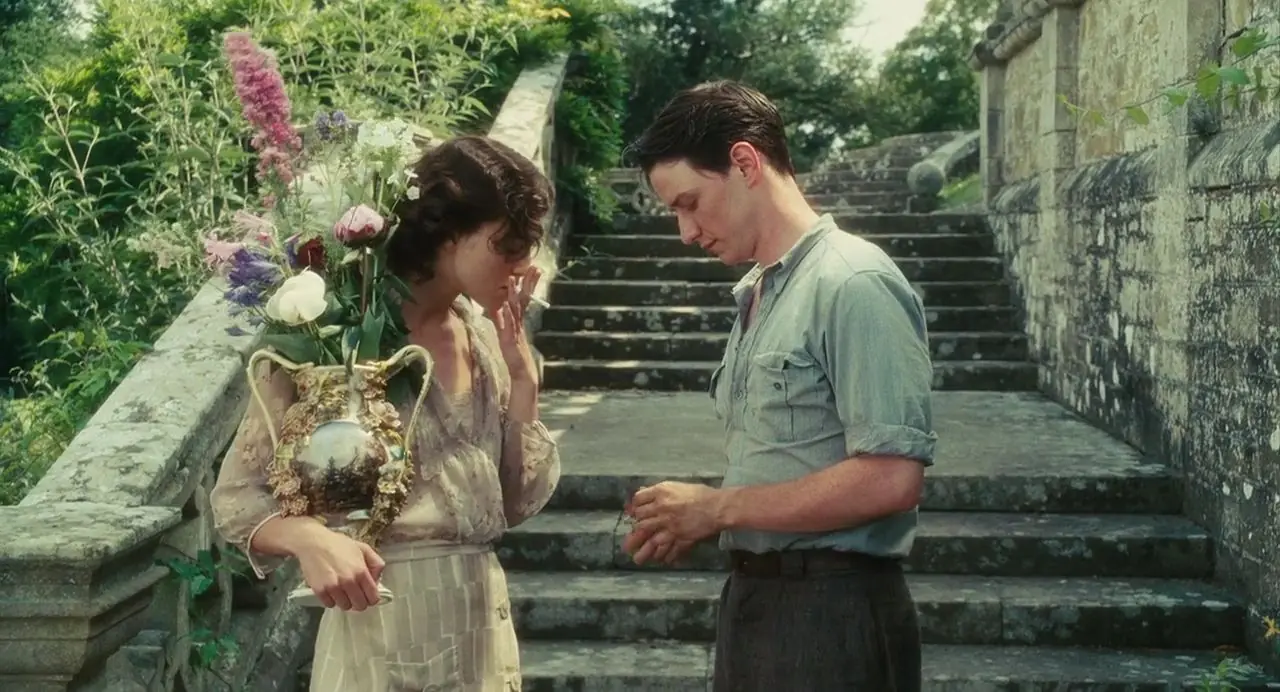
Knightley keeps Cecilia restrained and quietly furious, relying on subtle expressions and body language rather than dramatic emotion. Her chemistry with McAvoy gives their relationship much of its emotional power.
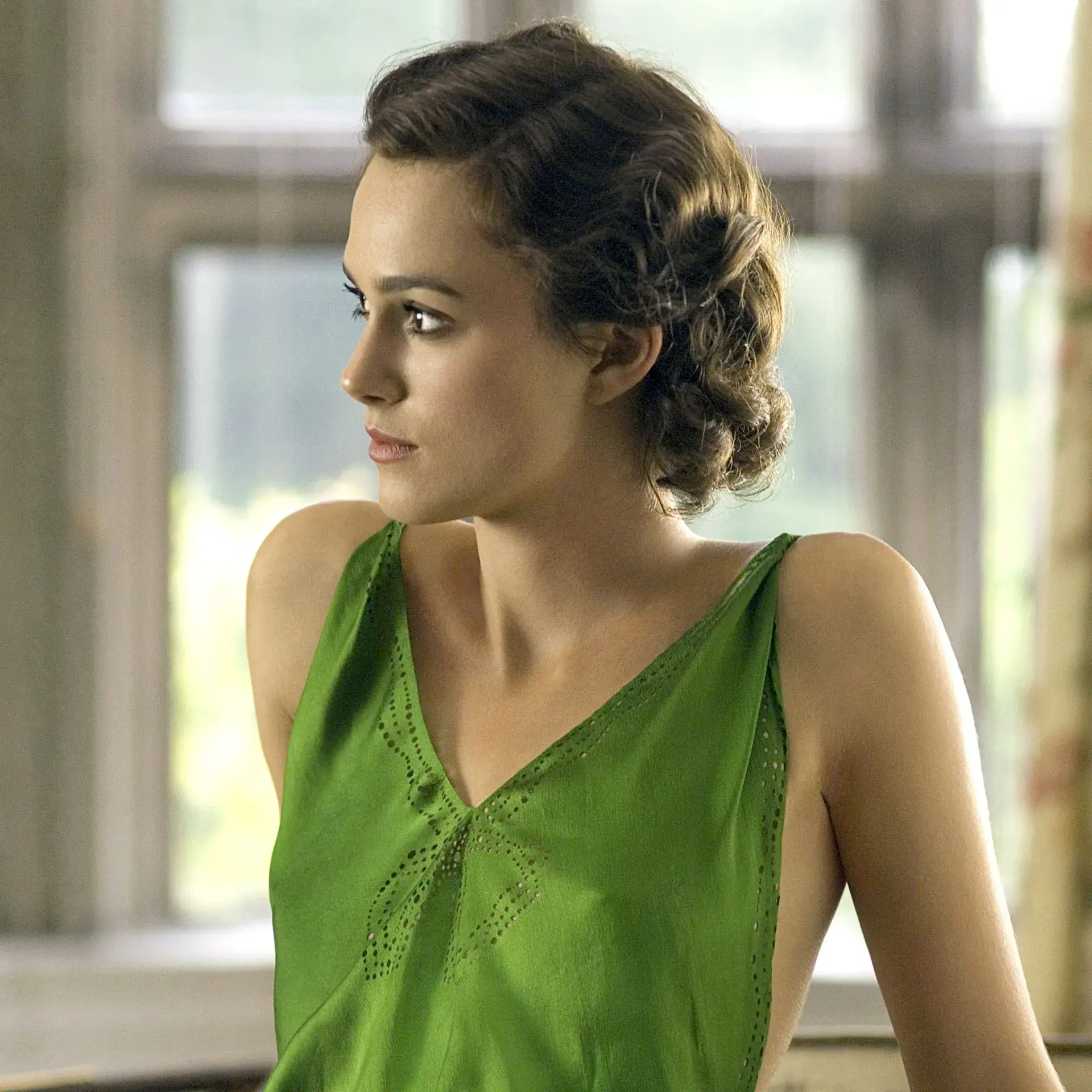
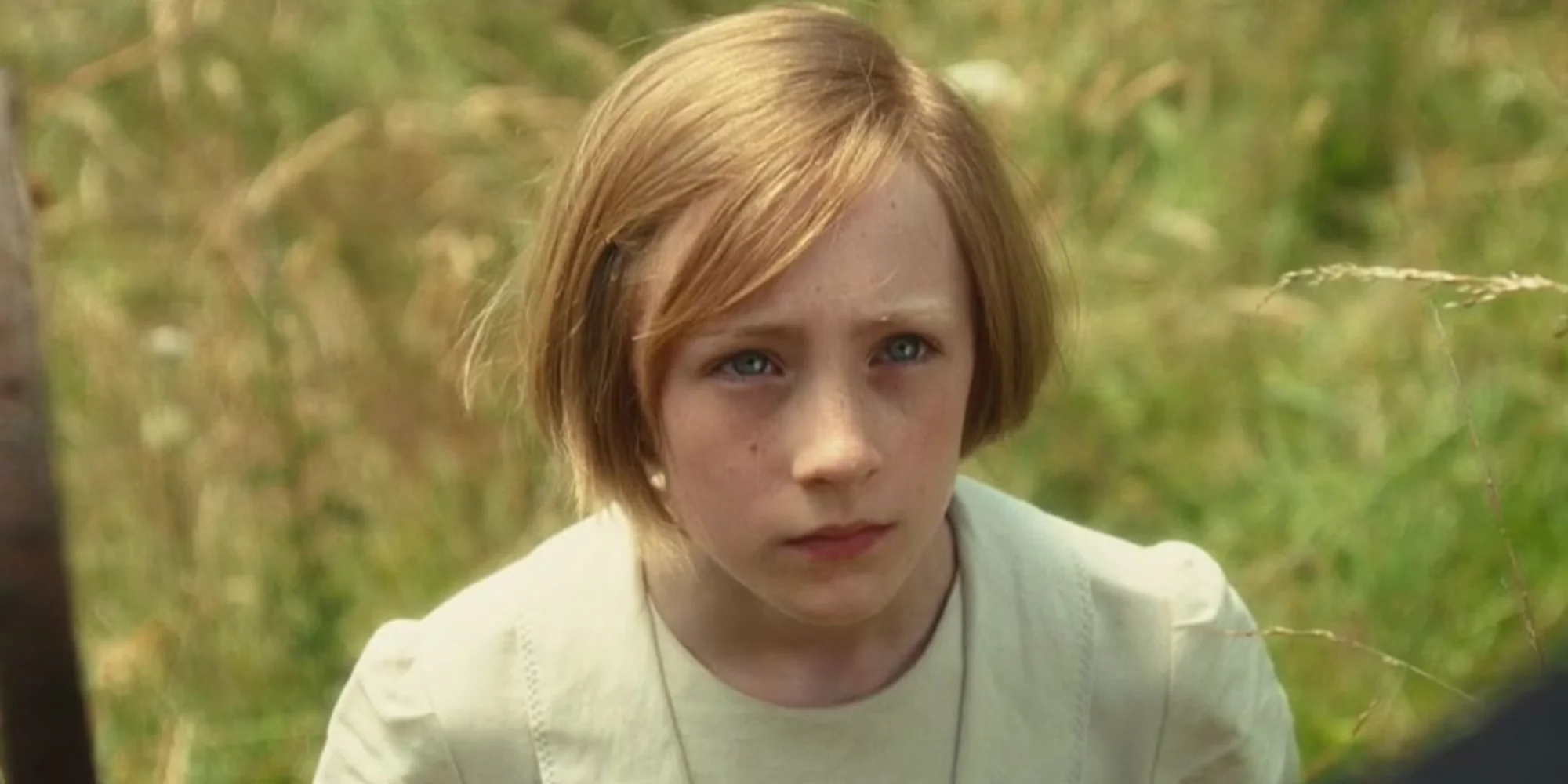
Ronan makes young Briony's misunderstanding believable without turning her into a simple villain. Her performance captures the certainty, imagination, and limited understanding of a child confronting adult emotions.
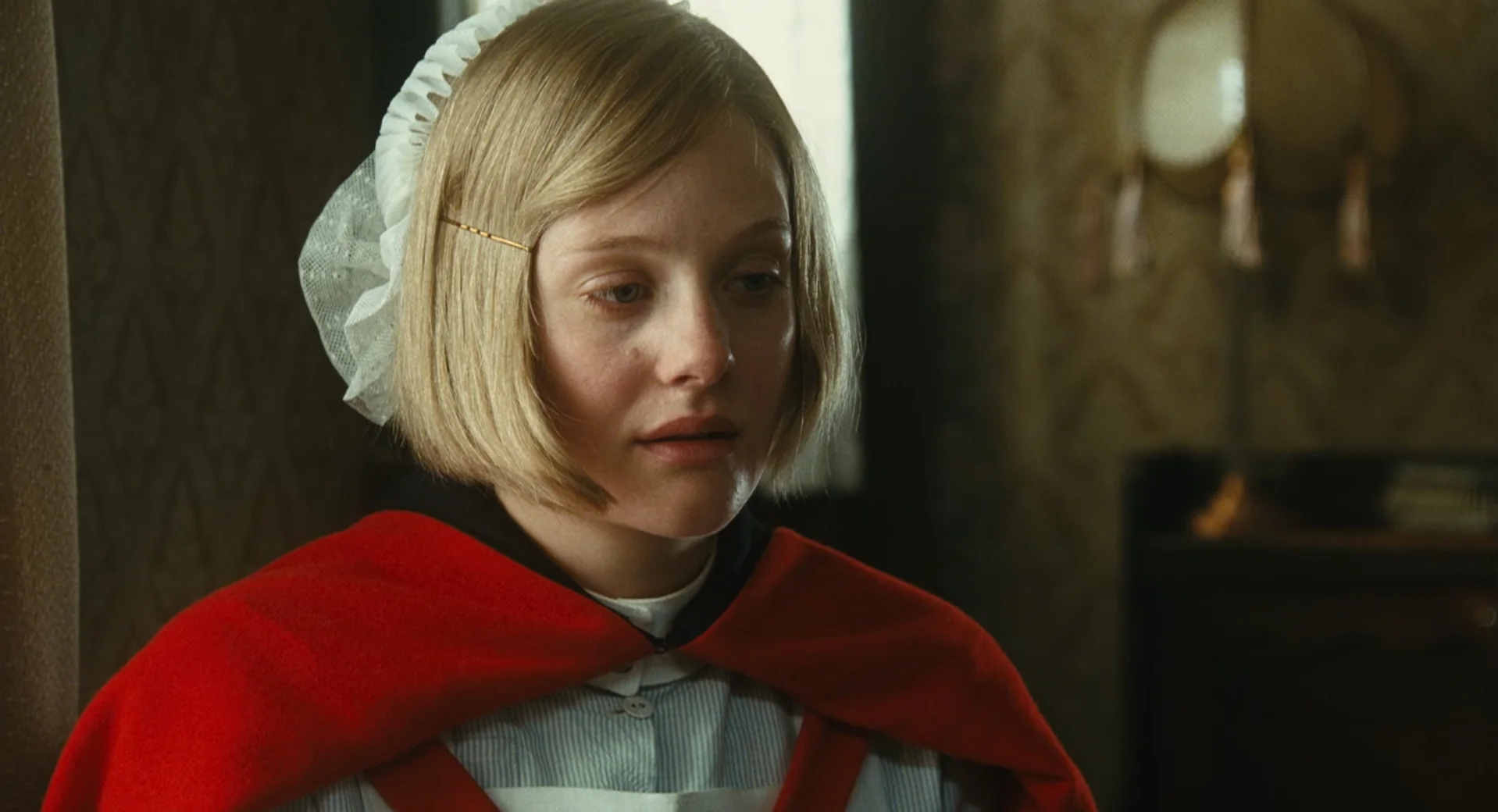
Garai portrays Briony's growing awareness of what she has done, which balances guilt with her inability to fully confront it. The subtle way she went to Cecilia’s house and saw Robbie there, she understood that she had to confront and say sorry.
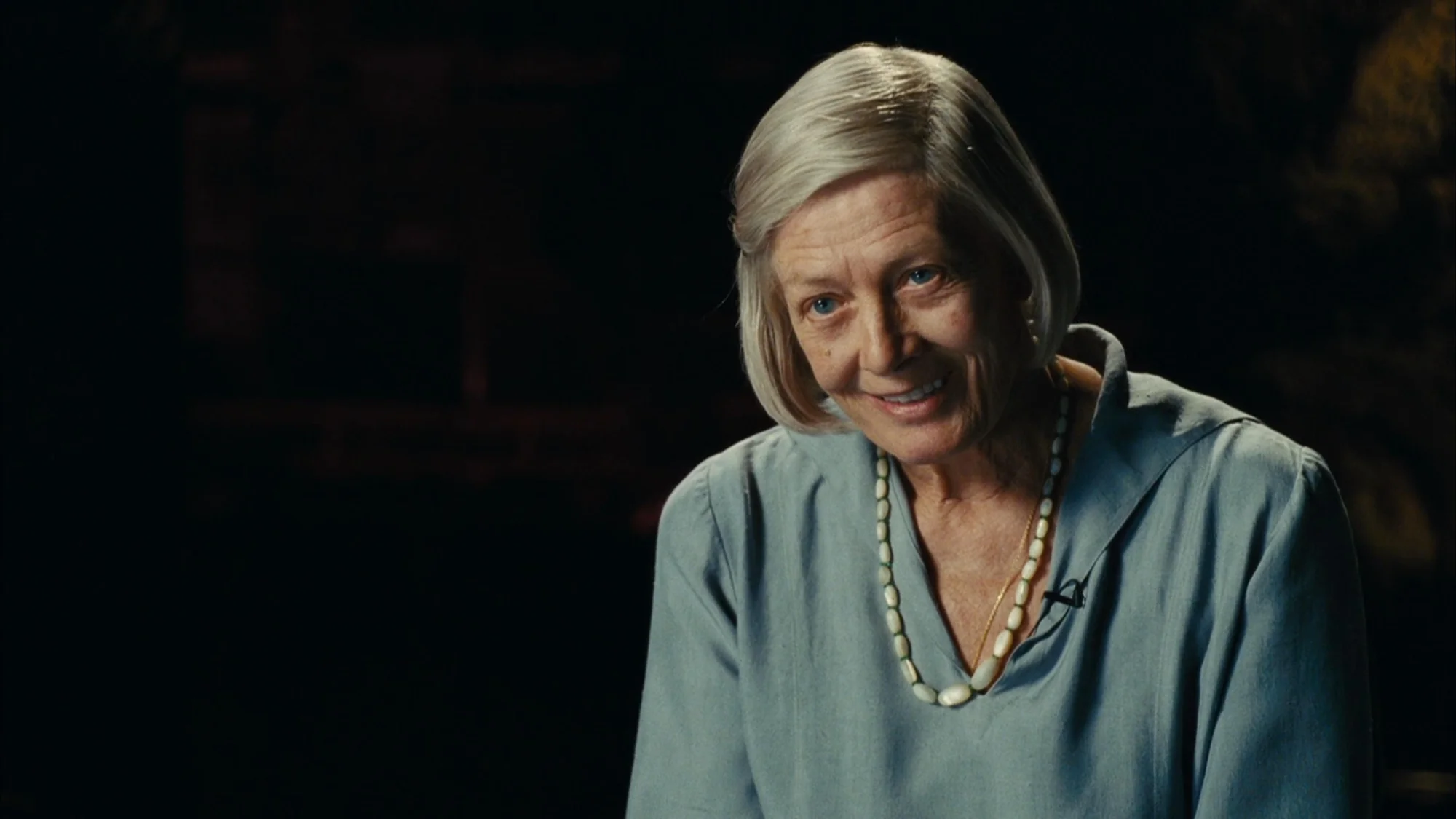
In a brief but powerful appearance, Redgrave gives Briony's confession its emotional and moral weight. This appearance brings the story's themes of guilt, regret, and atonement into focus.
How Joe Wright Depicted the Movie to Impact Your Consciousness
1. The Dunkirk Sequence
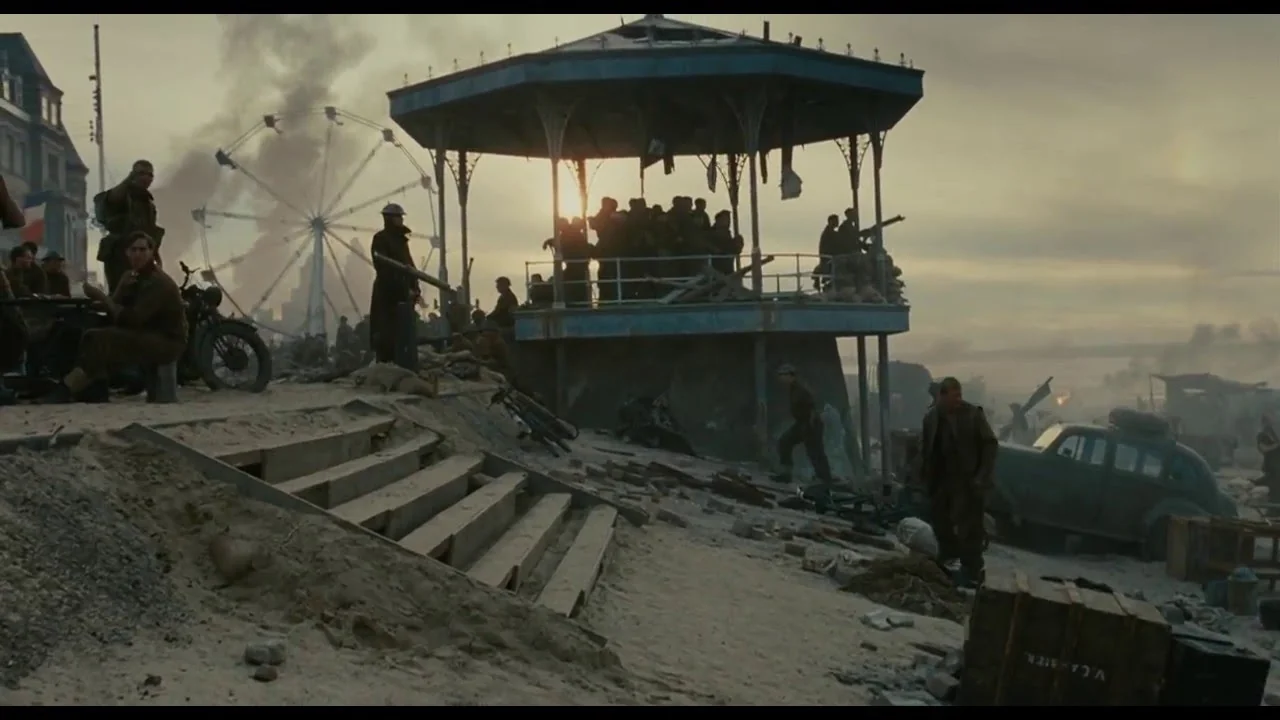
The film's famous five-minute tracking shot at Dunkirk captures the chaos of war without turning it into spectacle. The wounded soldiers, abandoned equipment, and haunting Ferris wheel create an unforgettable image of the world that swallowed Robbie.
2. Dario Marianelli's Score
Marianelli builds the score around the sound of Briony's typewriter, which connects the music to the story's central act of betrayal. Elegy for Dunkirk is especially haunting and adds emotion without overwhelming the scenes.
3. Seamus McGarvey's Cinematography
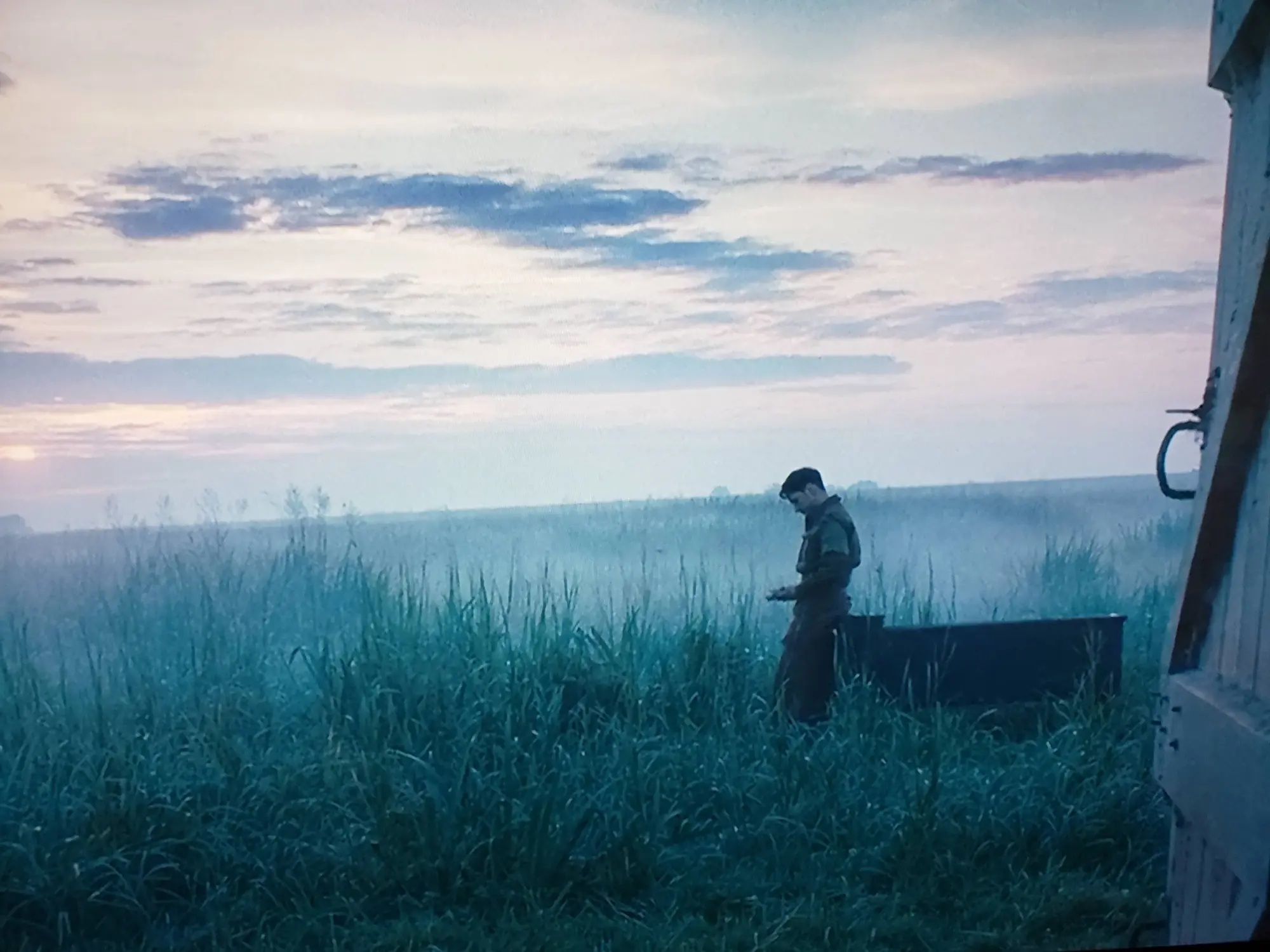
McGarvey uses warm, dreamlike colors for the pre-war sequences and cold, muted tones during the war. The visual shift reflects Briony's romanticized view of the past and the harsh reality created by her actions.
What Atonement Movie is Really About
1. Guilt That Cannot Repair
Briony spends her entire life regretting what she did, but Atonement makes one thing clear: guilt cannot undo the damage. Her apology can never give Robbie and Cecilia their lives back.
2. Fiction as Both Remedy and Trap
Briony's accusation begins with a story she creates from what she sees. Years later, she uses fiction to give Robbie and Cecilia the happy ending they never had. The unsettling part is that the love story we've watched is also her creation.
3. Class and Who Gets to Tell the Story
Robbie's working-class background makes Briony's accusation easier for the Tallis family to believe. His life is destroyed by her word, while Briony gets to spend hers writing the story. He experienced the tragedy; she controlled its narrative.
I’ll rate this movie 4.2 out of 5
A devastating, immaculately crafted film that earns every bit of the ache it leaves behind and the questions it refuses to answer.
More Movie Reviews
If you enjoyed my Atonement review, you can explore more of my movie reviews: