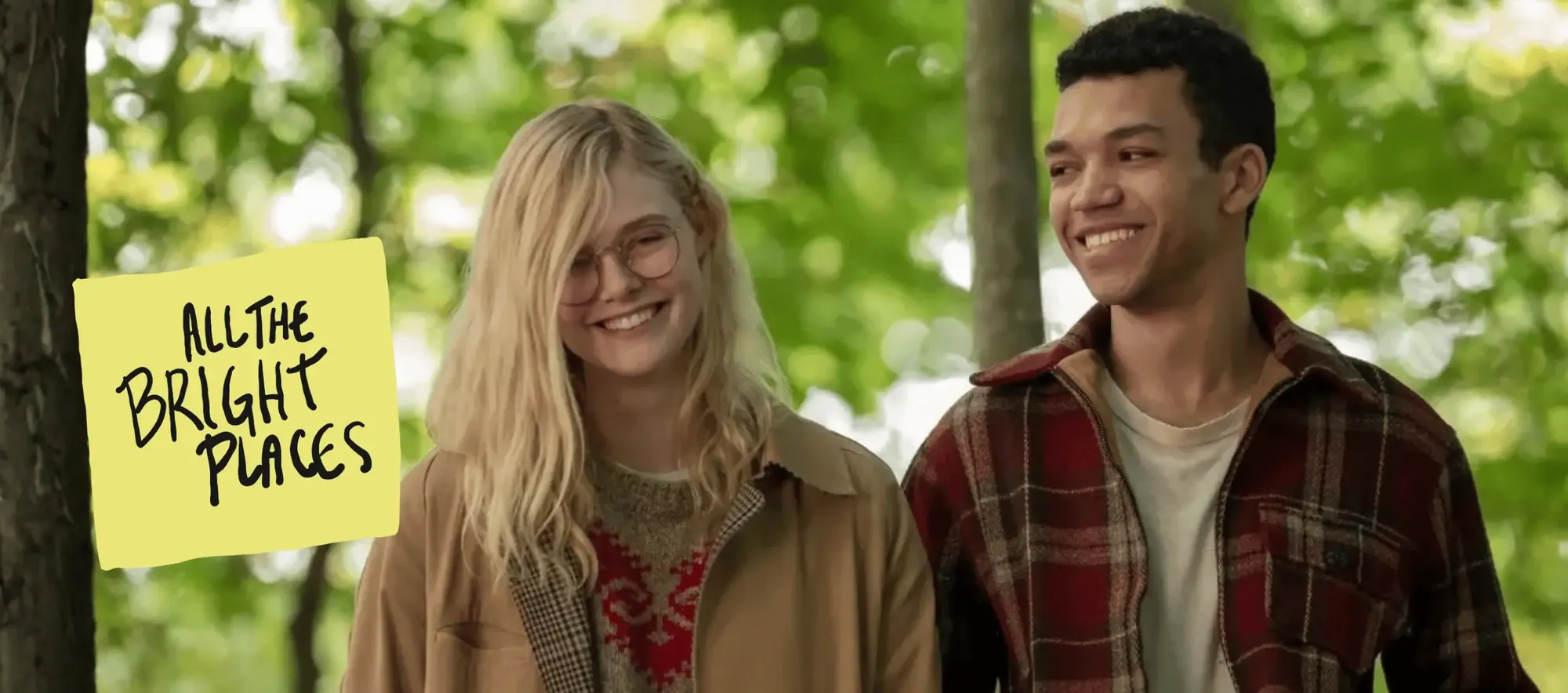
Back in 2020, I watched All the Bright Places on Netflix, expecting it to be a love story with teen drama. At the end, I got the real meaning of the movie.
However, the movie still haunts me sometimes, which is why I gave it another watch last night. This time I got a clear picture of the story highlights in visuals.
Let's get into what All the Bright Places actually is about, who's in it, what happens, and why I still think about it more than I expected to.
What to Know About All the Bright Places (2020)?
All the Bright Places is a 2020 Netflix film based on Jennifer Niven's 2015 bestselling All the Bright Places book, adapted by Niven herself alongside Liz Hannah (The Post).
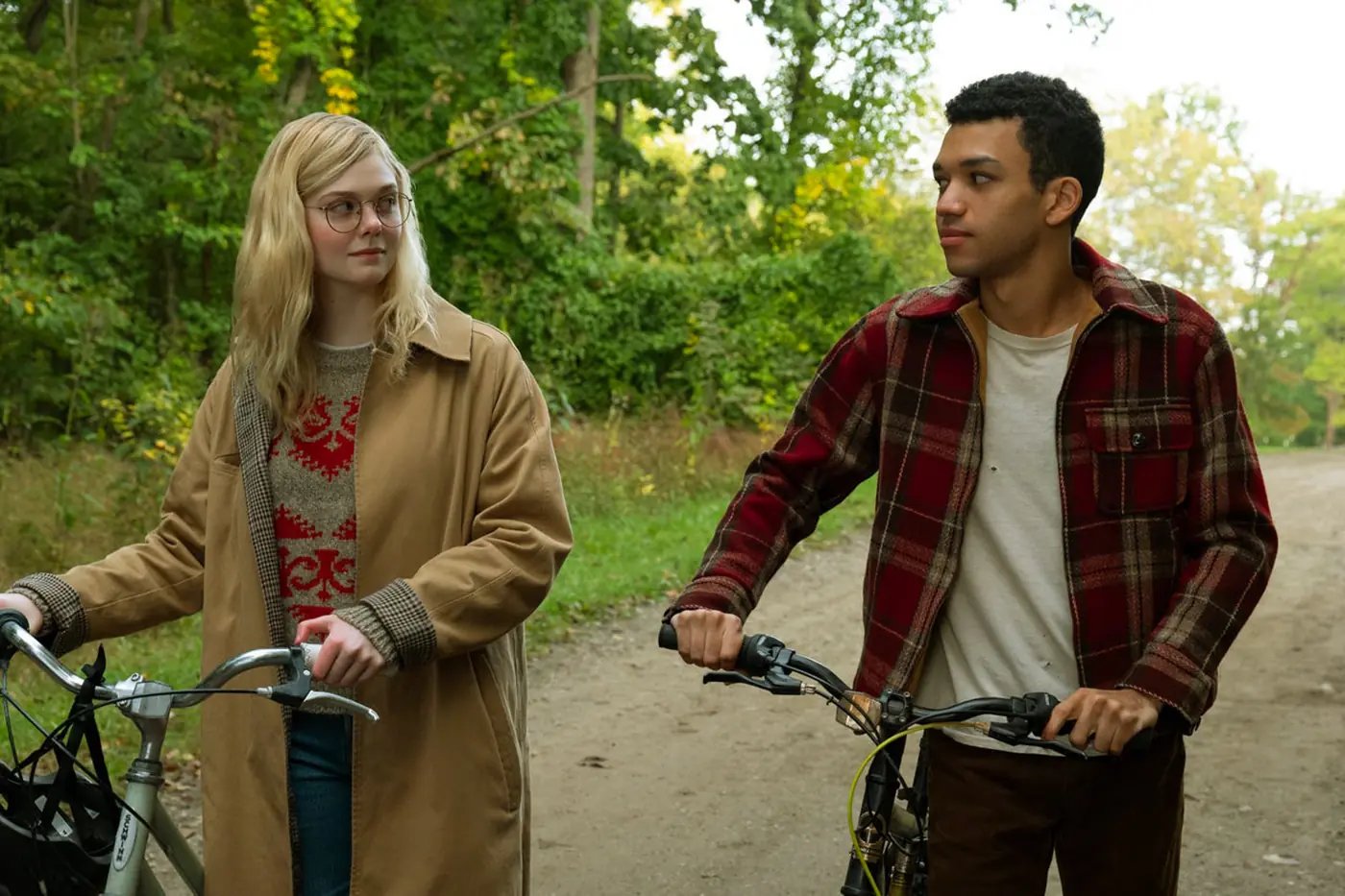
Director Brett Haley follows the novel closely: two Indiana teenagers, Violet Markey and Theodore "Finch" Finch, meet on the ledge of their school's bell tower. What starts as a shared secret becomes a school project, "wandering Indiana" to find the state's overlooked natural wonders, and, eventually, a relationship that saves one of them and cannot save the other.
Storyline of the movie
Violet is grieving her sister, killed in a car accident she survived. Finch is charming, unpredictable, and quietly unraveling under an undiagnosed mental illness the film gestures at as bipolar disorder.
Their geography project becomes an excuse to keep finding each other, and for a while, it genuinely heals them both. Then Violet's parents forbid the relationship, Finch disappears, and the story tips from romance into something much harder to watch.
A few quick facts
Cast (main leads): Elle Fanning as Violet Markey, Justice Smith as Finch, with Luke Wilson, Keegan-Michael Key, Alexandra Shipp, Virginia Gardner, Lamar Johnson, Kelli O'Hara, and Felix Mallard
Written by: Jennifer Niven and Liz Hannah (screenplay), based on Niven's novel
Directed by: Brett Haley
Runtime: 1h 47m
Genre: Drama, Romance, Teen
Rotten Tomatoes: 64% Critics (39 reviews)
Netflix rated: TV-MA in the US, 15 in the UK
What Kept All the Bright Places Entertaining and Worth-Watching
1. Elle Fanning and Justice Smith's chemistry
Fanning plays Violet's grief as something she's constantly managing rather than performing. She counts down days to graduation and flinches from her own parents' concern.
Smith gives Finch a restless, magnetic energy in the film's first half that makes his later withdrawal genuinely unsettling rather than just sad.
The Hollywood Reporter review credited exactly this dynamic, noting the film resists the syrupy meet-cute formula typical of YA romance and instead offers Violet something more grounded.
2. The supporting cast grounds the story
Luke Wilson and Keegan-Michael Key, as Violet's and Finch's respective parents, do a lot of quiet work. You can feel two families that love their kids and still can't see what's happening in front of them.
Alexandra Shipp and Lamar Johnson round out the friend group without disappearing into background noise, which a lot of YA adaptations fail to manage.
3. Keegan DeWitt's score
The music never oversells a scene. It sits underneath the wandering-Indiana sequences with a kind of unforced warmth, and pulls back entirely in the film's hardest moments, which lets silence do the work instead of swelling strings.
How Brett Haley Depicted the Movie to Impact Your Consciousness
1. The Blue Hole as visual foreshadowing
The film returns to the Blue Hole twice: once as a place of connection and the other as a crime scene of sorts. Haley doesn't dramatize the return visit.
He lets Violet find Finch's neatly folded clothes on the bank and lets the camera hold on her face rather than cutting to spectacle. It's one of the more responsible choices in the adaptation.
2. Withholding Finch's diagnosis
Neither the film nor the book ever names Finch's condition outright, which mirrors how undiagnosed mental illness actually isolates people. Finch himself doesn't have language for what's happening to him, so neither do we until it's too late.
3. A slower first act that pays off
Critics were split on pacing: reviews called the front half a slow-burn that tests patience before the story finds its footing. I'd argue that slowness is deliberate: it lets you fall for these two the way they fall for each other, so the back half actually costs you something.
What All the Bright Places Is Really About
1. Grief that doesn't announce itself
Violet's arc is about learning that surviving something isn't the same as being okay. The film resists giving her a clean "recovery" moment and instead shows healing as something ongoing and unglamorous.
2. Mental illness without a villain
Finch isn't punished by the plot for being unwell, and the film doesn't frame his death as a twist or a lesson. This shows how Frank's handling of mental illness, suicidal thoughts, and family loss is so potent that it makes the treacly narration tacked onto the ending feel unnecessary. Young audiences can handle the complexity without being told what to feel.
3. Being truly seen versus being watched
Finch spends the film performing wellness for classmates who've already decided who he is. Violet is the only person who asks who he actually is. That gap between being observed and being known is the emotional engine of the whole story.
I'll Rate This Movie 4.5 out of 5
A sincere, occasionally clumsy adaptation that trusts its audience with real grief more than most YA dramas dare to, even when its own ending undercuts that trust.
More Movie Reviews
If you enjoyed this All the Bright Places review, you might also like my reviews of Into the Wild, Atonement (2007), The Pursuit of Happyness, and How to Lose a Guy in 10 Days.