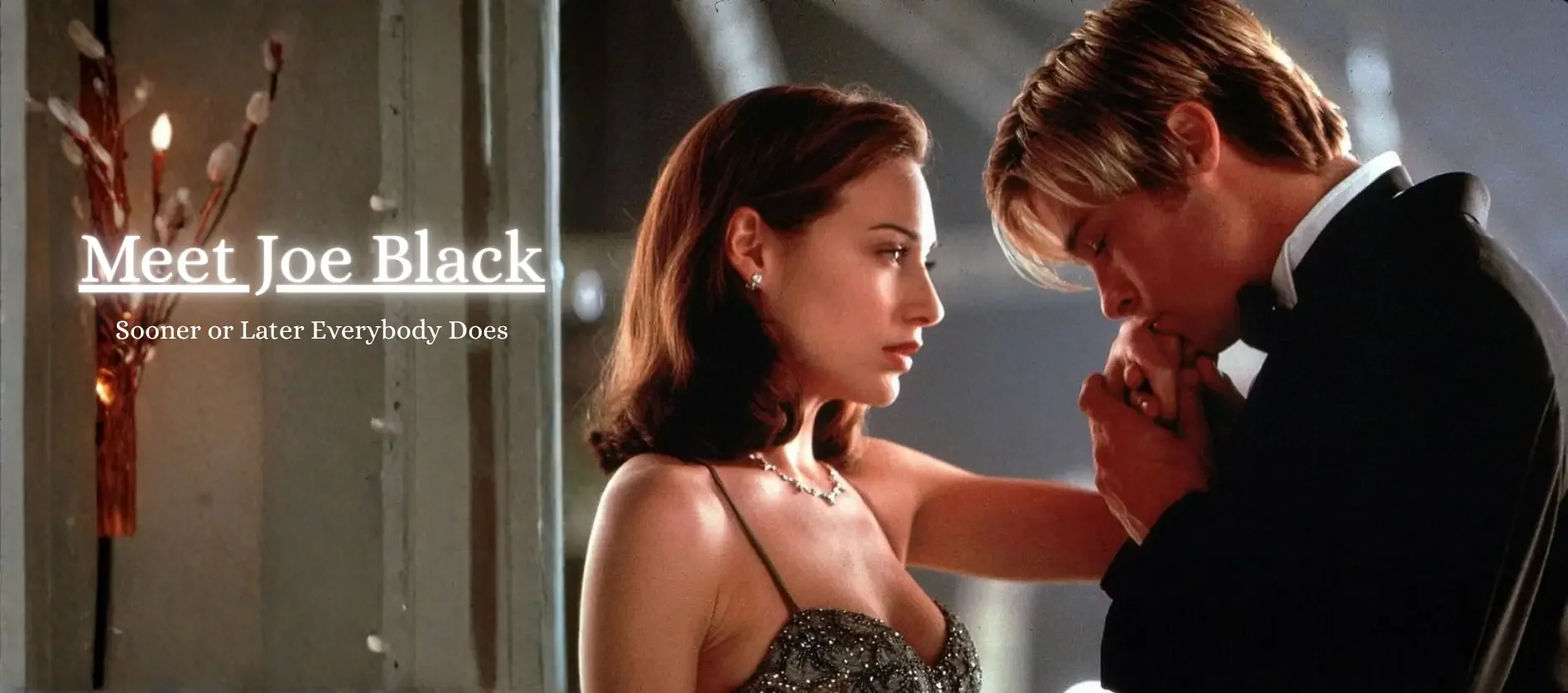
This isn't a love story, but a story about Love. I watched this movie for the third time last night and understood the real purpose of why Joe Black, aka Death, came to the businessman and asked him to live with him to understand human life better.
I went in expecting a fantasy drama about a mogul bargaining with the Grim Reaper. What I got instead was something quieter and far more unsettling: a meditation on what it actually means to love someone, and what it costs to let them go.
Martin Brest's Meet Joe Black takes its time getting there, but by the final act, I understood why Death didn't just take Bill Parrish. He wanted to understand him first.
Let's get into this Meet Joe Black review and why the film's slow, deliberate pace ends up saying something most romance dramas never get close to.
What to Know About Meet Joe Black (1998)?
Meet Joe Black is a loose remake of the 1934 film Death Takes a Holiday, itself based on an Italian stage play.
Director Martin Brest reworked the premise for the late '90s: instead of Death taking a literal holiday from claiming souls, he takes human form to experience life firsthand before deciding whether to collect one particular soul, that of media titan William "Bill" Parrish.
Storyline of the movie
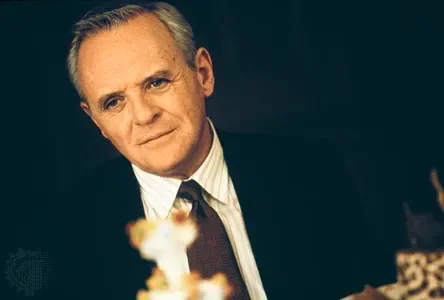
Bill Parrish (Anthony Hopkins) is a wealthy, respected businessman days away from his 65th birthday when a stranger begins speaking to him, inside his own head, in his own voice.
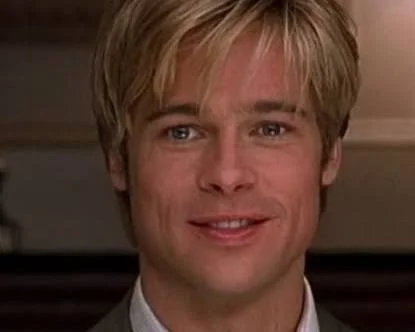
That stranger is Death, who soon takes over the body of a young man (Brad Pitt) killed in a car accident. Bill introduces him as Joe Black to his family and board members.
Death offers Bill a deal: a little more time on Earth in exchange for acting as Joe's guide through human existence. Bill agrees, on the condition that Joe's presence and true identity stay secret from everyone, including his own family.
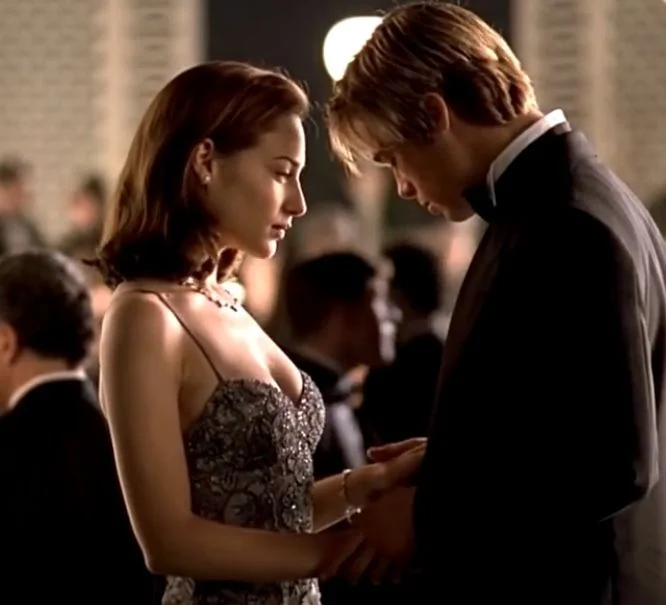
The arrangement unravels when Joe falls for Bill's daughter, Susan (Claire Forlani), who has no idea the man she's falling for is Death itself.
Meet Joe Black cast and quick facts
Cast: Brad Pitt, Anthony Hopkins, Claire Forlani, Jake Weber, Marcia Gay Harden, Jeffrey Tambor
Director: Martin Brest
Written by: Ron Osborn, Jeff Reno, Kevin Wade, Bo Goldman, based on Death Takes a Holiday
Runtime: 2h 58m
Genre: Drama, Fantasy, Romance
Rotten Tomatoes: 48% Critics, 81% Audience
IMDb Rating: 7.2/10
What Is Meet Joe Black About, Really?
On the surface, this is a film about Death taking a working vacation. Underneath, it's about a father facing his own mortality and a daughter learning what love actually asks of a person.
Bill Parrish has spent his life building an empire and protecting the people in it. Death's arrival forces him to confront the one thing all that power can't negotiate away: his time is finite, and so is everyone else's.
Joe Black, meanwhile, isn't cruel or vengeful. He's curious. He tastes peanut butter for the first time. He notices rain. He watches how people talk to each other at dinner, how they touch, how they lie without meaning to.
And somewhere in that observation, he stops being an entity wearing a body and starts being something closer to a person. The person who falls in love without meaning to, and without understanding what it will cost him.
That's the real subject of this movie: Death came to learn about human life, and the most beautiful thing he discovered was love. Not love as possession, but letting them go for their good. The film argues, slowly and deliberately, that real love is closer to the opposite of that instinct.
Meet Joe Black Explained: The Idea at the Center of the Film
Once Joe understands what he feels for Susan, the film's real conflict isn't romantic anymore, but it becomes moral. He has the power to keep her.
He could simply not take her father, could stay in this borrowed body indefinitely, could let the illusion continue. Everything in the story sets up a version where Death gets to keep the girl.
Instead, the film makes its quiet, central argument: to give someone you love what they actually love is the deepest act of love there is. Even when what they love isn't you, and even when giving it to them means losing them.
A lover who truly loves doesn't hold on out of fear of losing that person. The last, hardest act of love is to let them go.
That's why Bill's arc and Joe's arc mirror each other. Bill has to let his daughter grow past the safety he built for her. Joe has to let Susan go back to the life that was always hers before Death ever borrowed a body to meet her.
Meet Joe Black Ending: What Happens at the Close
By the final act, Bill has made peace with Joe and with his own death. At his 65th birthday party, Bill quietly prepares to go with Joe.
Before he does, Joe does something no one expects: he steps aside for Susan. Rather than staying in the body of the young man she fell for and letting her spend her life in love with something inhuman wearing a familiar face, he chooses to give her back her own life, reuniting Susan with the version of happiness that was always meant to be hers, not his.
Bill and Joe walk together toward a firework-lit bridge and disappear into the light. The final image of a film that has spent three hours arguing that letting go, done with love instead of fear, is its own kind of grace.
I'll rate this movie 3.8 out of 5
Meet Joe Black asks for patience most modern dramas wouldn't dare demand, and not every minute of its runtime earns that patience. But underneath the slow pacing is a genuinely moving idea about love, mortality, and the difference between holding on and letting go.