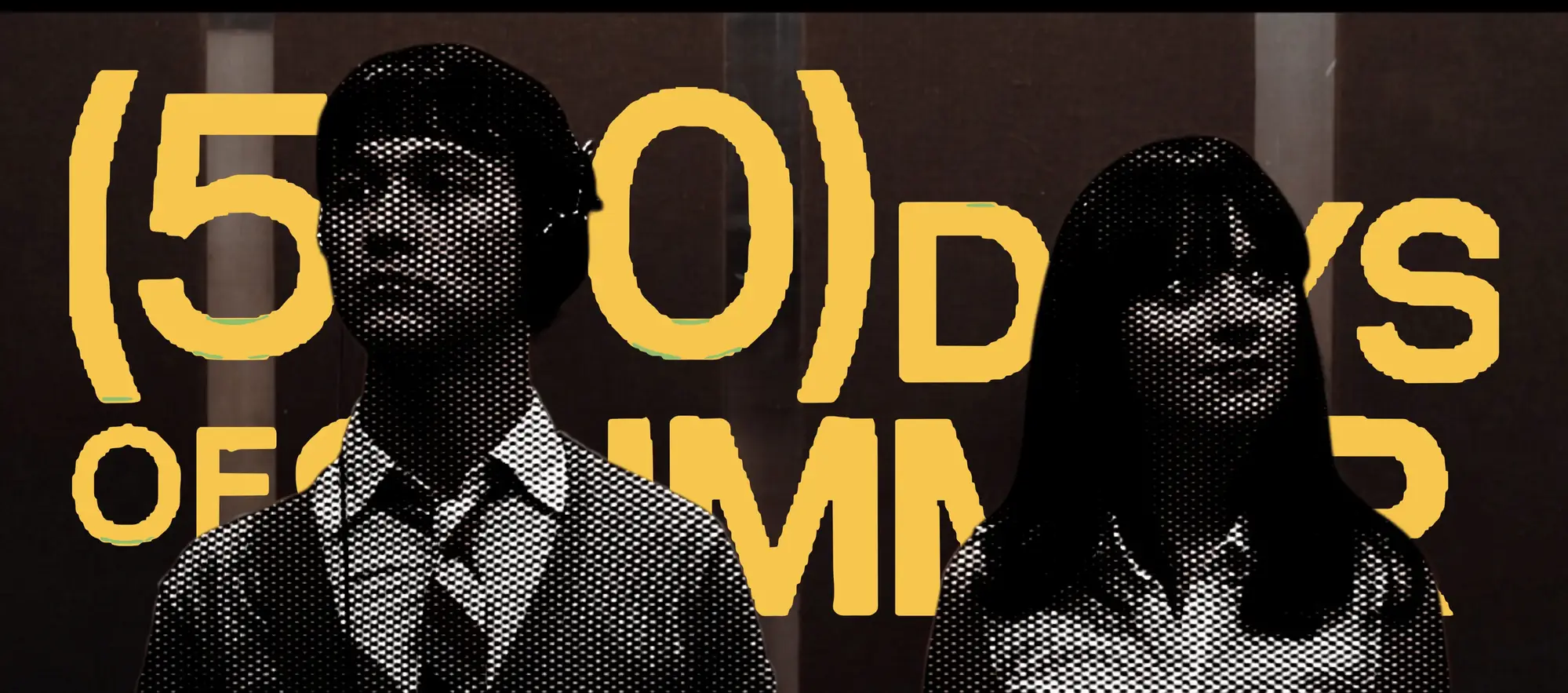
The movie starts with a narrator outlining the plot before shifting to the iconic elevator scene where Tom and Summer meet. When Summer spots Tom listening to The Smiths and shares her own love for the band, their 500 Days story officially begins.
I've watched this movie several times since its launch in 2009, and heard people's opinions about how cold Summer was and how she just turned her back on Tom. Last night, I revisited it, and here is my opinion: "I'm not feeling sorry for Tom."
I noticed how clearly Summer tells him the truth from the very first scenes, and how little he actually listens. This 500 Days of Summer review is about why a movie that says "this is not a love story" in its first minute still leaves so many people heartbroken.
What to Know About (500) Days of Summer (2009)?
(500) Days of Summer is Marc Webb's feature debut, written by Scott Neustadter and Michael H. Weber.
It premiered at Sundance in January 2009 and went on to earn about $60 million worldwide on a $7.5 million budget. The story is told out of order, with title cards counting the days.
Neustadter has said it grew out of his own painful heartbreak, which explains why it feels less like a rom-com and more like a memory you can't stop replaying.
Storyline of the movie
Tom Hansen (Joseph Gordon-Levitt) is a trained architect stuck writing greeting cards in Los Angeles. When Summer Finn (Zooey Deschanel) joins as his boss's new assistant, he decides within days that she's the one.
They bond over music, and Summer says plainly that she doesn't want anything serious. Tom hears that, nods, and carries on believing otherwise.
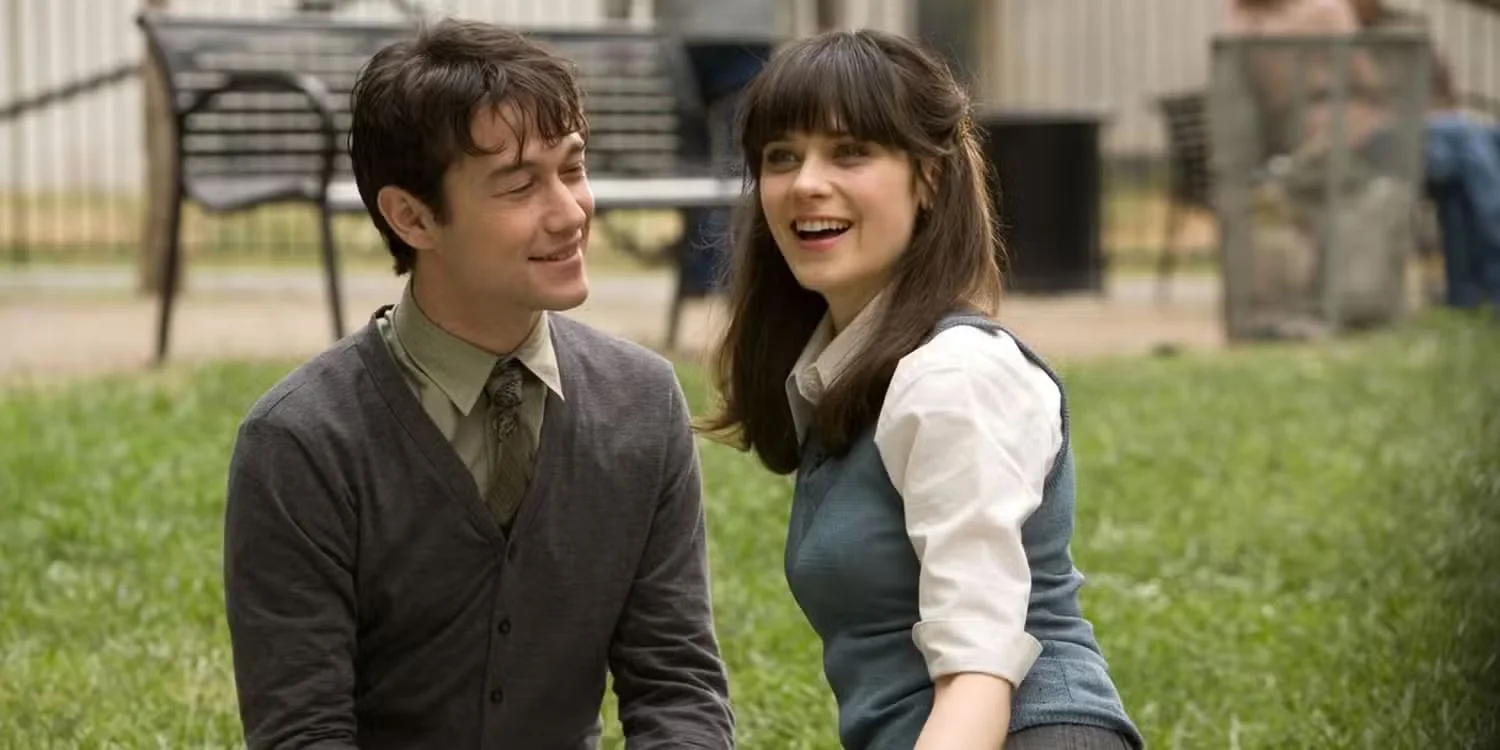
The relationship begins anyway: a kiss in the copy room, IKEA dates, a famous park bench. The film keeps jumping around the timeline, showing the glow of day 34 beside the chill of day 290.
By the time the camera reaches the breakup, you already know where the cracks were.

A Few Quick Facts About the Movie
Cast: Joseph Gordon-Levitt (Tom), Zooey Deschanel (Summer), Geoffrey Arend (McKenzie), Chloë Grace Moretz (Rachel), Matthew Gray Gubler (Paul), Clark Gregg (Vance), Minka Kelly (Autumn), Rachel Boston (Alison), Patricia Belcher (Millie)
Director: Marc Webb
Written by: Scott Neustadter and Michael H. Weber
Music: Mychael Danna and Rob Simonsen (score)
Runtime: 1h 35m
Genre: Comedy, Drama, Romance
Rated: PG-13 for sexual material and language
Rotten Tomatoes: 86% from critics
IMDb rating: 7.6/10.
Metacritic: 76/100
What is 500 Days of Summer About?
This movie seems like a breakup movie told backwards and sideways, but it's about the gap between the person you love and the person you imagine.
Tom isn't in love with Summer Finn. He's in love with the idea of a girl who likes the same bands as him, and he reads every smile as proof of destiny. Summer, meanwhile, is simply being honest.
That's the part people argue about for years. The film is told from Tom's point of view, so Summer looks cold. Rewatch it, and she's the most consistent character in the story.
(500) Days of Summer Explained: The Idea at the Center of the Film
The film's real argument is that shared taste isn't fate. Tom's little sister Rachel is the only one who says it out loud, and she says it better than any critic. She said, "Liking the same obscure things doesn't make someone your soulmate."
Tom misreads The Graduate as a happy ending, while Summer leaves the screening in tears. Webb's split-screen "expectations vs. reality" sequence shows the exact moment Tom's fantasy meets the truth. Even the colour blue, which Summer wears almost everywhere, works as Tom's projection of her.
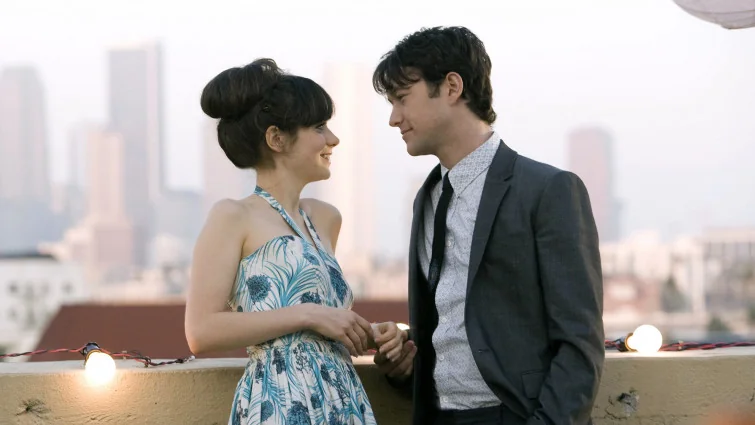
The film isn't asking whether Summer was right for Tom, but it's asking whether Tom was ever looking at her.
"If a Double Decker Bus" - The Song Behind the Elevator Scene
This is the famous chorus line of The Smiths' "There Is a Light That Never Goes Out" (1986), and it's the song that starts everything.
In the elevator, Tom's headphones leak The Smiths. Summer recognizes the band, says she loves them, and Tom's world quietly rearranges itself. To him, it isn't a coincidence, but it's a sign.
The song itself is about wanting to be so close to someone that even a freak accident would feel like a gift. It's wildly romantic, a little morbid, and entirely one-sided in how it's sung. That's exactly how Tom hears it.
However, Summer hears something else, like a great song by a band she likes. Same chorus, two completely different meanings, and the whole film lives in that gap.
The rest of the soundtrack works the same way. Regina Spektor's "Us" opens the film, Hall & Oates' "You Make My Dreams" scores Tom's morning-after dance, and her "Hero" underlines the rooftop party disaster. But the Smiths scene tells you how the film wants you to read Tom.
Ending: What Happens at the Close
Spoilers ahead.
At Summer's rooftop party, around day 408, Tom arrives hoping for a reunion and spots an engagement ring. He leaves crushed, quits his job, and spirals for a while.
Later, Rachel gives him the clearest advice in the film: he's been remembering only the good moments. That's when he starts to see what he'd ignored, and he returns to architecture.
At the park bench, he and Summer meet once more. She's married now, and she tells him she was sure about her husband in a way she never was about Tom.
On what the narrator calls day 500, Tom goes to a job interview and meets a woman named Autumn. The film ends on a small, hopeful note: not a new love, but a new beginning.
I'll rate this movie 4.5 out of 5
This is one of the sharpest films about modern romance, and the soundtrack alone deserves a place on your playlist.
I'm holding back a little because Summer is written mostly from the outside, so she stays more of a mystery than a person.
It's funny, painful, and honest. If you've ever loved someone more than they loved you, it will probably find you.